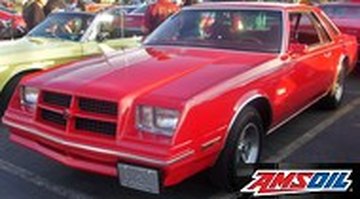
Engine Oil Maintenance for the 1983 Chrysler Cordoba 3.7L
Maintaining the lubrication system is a fundamental aspect of vehicle ownership. For owners of the 1983 Chrysler Cordoba equipped with the 3.7L engine, using the correct oil viscosity and monitoring fluid health is essential for long-term engine operation. This guide provides information regarding the specific oils listed for this application and general maintenance practices to keep the engine running smoothly.
What engine oil is listed for my 1983 Chrysler CORDOBA 3.7L?
The following 10W-30 synthetic motor oils are listed for this vehicle: Signature Series 10W-30 Synthetic Motor Oil (ATMQT-EA), XL 10W-30 Synthetic Motor Oil (XLTQT-EA), and OE 10W-30 Synthetic Motor Oil (OETQT-EA).
Understanding Engine Oil Viscosity
Viscosity refers to a fluid's resistance to flow. In an internal combustion engine, the oil must be thin enough to circulate quickly during a cold start but thick enough to maintain a protective film on metal surfaces once the engine reaches operating temperature. The 10W-30 viscosity listed for this application is designed to balance these needs, providing flow characteristics that assist with startup while offering sufficient protection under various thermal conditions.
When selecting oil, it is important to adhere to the viscosity grades specified for your specific engine. Using an incorrect grade can lead to increased friction, poor lubrication at high temperatures, or difficulty during cold starts. Always refer to the manufacturer's recommendations to ensure the lubricant meets the intended design of the 3.7L engine.
Monitoring Oil Levels and Condition
Regularly checking the engine oil level is one of the simplest ways to prevent mechanical issues. A low oil level can lead to increased component wear, overheating, or catastrophic engine failure if the oil pump cannot maintain adequate pressure. Owners should check the dipstick frequently, especially before long trips or if the vehicle has been sitting for an extended period.
Beyond checking the quantity, observing the condition of the oil is equally important. Fresh oil is typically translucent and amber in color. If the oil appears extremely dark, gritty, or contains visible debris, it may indicate that the oil has broken down or that there is internal engine wear. Additionally, a milky or frothy appearance can suggest that coolant is leaking into the lubrication system, which requires immediate professional inspection.
The Role of the Oil Filter
The oil filter is a critical component of the lubrication system. Its primary job is to capture contaminants such as carbon soot, metal shavings, and dust particles before they can recirculate through the engine. Even with high-quality oil, a clogged or failing filter can restrict oil flow, leading to starvation in critical areas like the camshaft or bearings.
While specific replacement intervals vary based on driving habits and environmental conditions, the oil filter should always be replaced whenever the engine oil is changed. Using a filter that matches the requirements of the 3.7L engine ensures that the bypass valve and filtration media function as intended to protect internal components.
Identifying Potential Leaks
Oil leaks can stem from various points, including gaskets, seals, or the oil pan. Small, slow leaks may result in a gradual loss of oil level over time, while larger leaks can create significant messes and pose fire risks if oil contacts hot exhaust components. Common areas for leaks include the valve cover gaskets and the rear main seal.
If you notice dark spots on your driveway or smell burning oil inside the cabin, it is a sign that a leak may be present. Addressing small leaks early can prevent them from becoming major repairs and helps ensure that your engine maintains the correct amount of lubricant for safe operation.
General Engine Maintenance Best Practices
Effective engine maintenance extends beyond just changing the oil. Keeping the cooling system in good repair is vital, as excessive heat is a primary cause of oil breakdown and viscosity loss. Similarly, ensuring that the air intake system is clean prevents dirt and debris from entering the combustion chamber, which indirectly protects the engine's internal surfaces.
Because every vehicle's usage varies—ranging from short city trips to long highway hauls—it is important to follow the manufacturer maintenance schedule provided in your owner's manual. This schedule provides the most accurate guidance for when to perform routine inspections and fluid services based on the specific needs of your 1983 Chrysler Cordoba.
BUYING ENGINE OIL
When you are ready to purchase lubricant, look for products that match the 10W-30 viscosity listed for your application. Ensure the oil meets the necessary standards for your engine type. It is best to purchase oil from reputable retailers to ensure you are receiving a product that has been stored correctly and meets all stated specifications.